Rooftop Tent Camping Checklist: Pack Less, Enjoy More
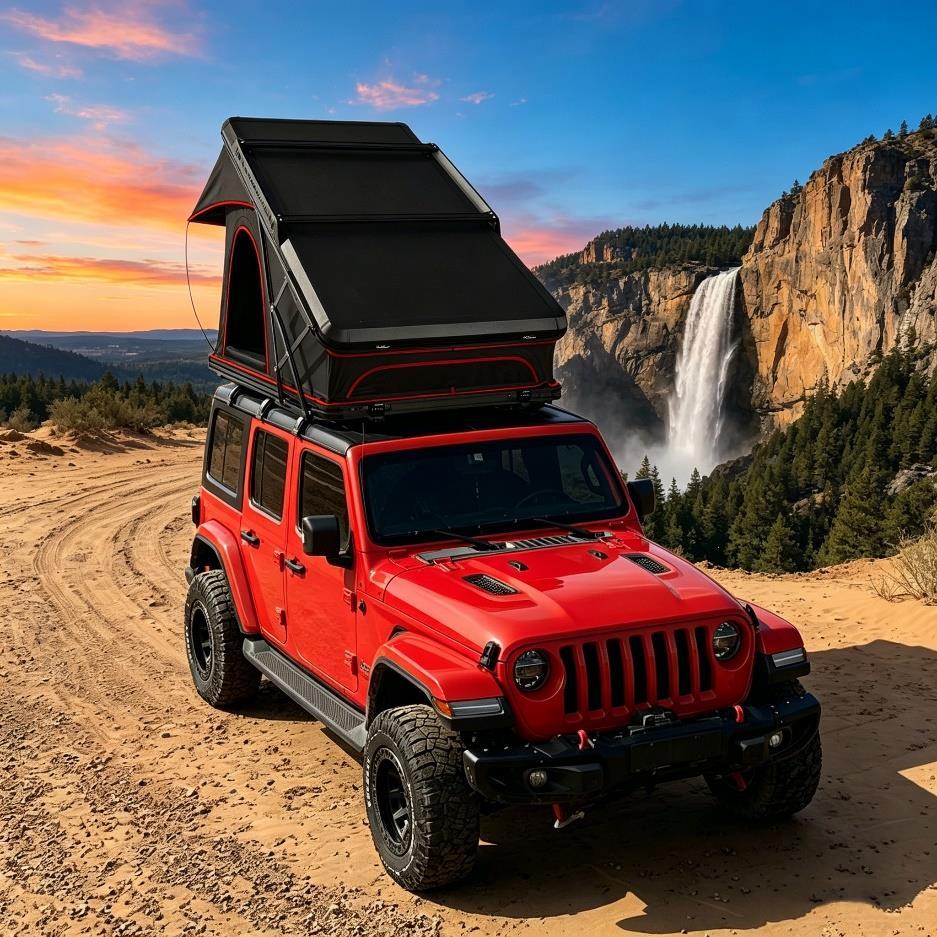
LESS CLUTTER. MORE ROOM TO ROAM.
You do not need to carry your whole home to enjoy a night outdoors. A quiet breakfast beside the vehicle, a comfortable place to sleep and enough room to sit without moving three bags can be a better starting point than a long list of accessories.
A useful rooftop tent camping checklist begins with the things your trip actually requires: a verified vehicle-and-rack setup, suitable bedding, drinking water, food, lighting, clothing and a way to leave the campsite clean. Then add the equipment that makes your own routine easier. At AEROVA, that is how we think about freedom outdoors: more time for the place you came to see, with a setup chosen around your life.
Check the setup before packing the bags
Before a first trip, confirm the exact tent, mounting hardware, rack and vehicle combination against the relevant instructions. Product net weight and shipping gross weight answer different questions. Account for the rack, tent and other roof equipment when checking the applicable load limits; do not infer a stationary limit from a driving limit.
Try the opening and closing sequence at home in a suitable space. Check where the ladder lands and whether doors, storage and the rear hatch remain accessible. Follow the model-specific instructions for installation, ladder use, supports and securing the equipment. Our vehicle-fit guide explains which details to gather before choosing a model.
A rooftop tent camping checklist you can adapt
Use this as a starting list for a short trip, then adjust it for the destination, weather, trip length and everyone travelling. It is not a substitute for the equipment or preparation your particular route requires.
| Part of the trip | What to organise | A useful question |
|---|---|---|
| Sleeping | Bedding appropriate to expected conditions, pillows and dry sleeping clothes | Have you checked the usable sleeping dimensions and what bedding, if any, may remain inside when the tent closes? |
| Food and water | Drinking water, meals, utensils, food storage and washing supplies | Can you reach the next meal without unpacking the whole vehicle? |
| Lighting and power | A personal light, suitable charging equipment and the connections your devices require | Can each person find their light before it becomes dark? |
| Clothing and personal essentials | Layers for the forecast, footwear, toiletries and your usual essential supplies | Are dry items protected from wet shoes and outdoor gear? |
| Vehicle and camp equipment | Model-specific instructions, supplied supports and the equipment required for your route | Are the items needed first accessible when you park? |
| Leaving camp | Waste bags, cleaning cloths and separate storage for wet or dirty items | Can you leave the site clean without mixing waste with bedding? |
Give each item a home. One bag for sleeping, one box for meals and a small place for frequently used items can make the evening feel less like searching through luggage. Keep access and secure transport in mind rather than simply filling every available space.
Plan three simple zones around the vehicle
1. A sleeping space that stays uncluttered
Keep the sleeping area focused on rest. Decide where shoes, damp clothing and the next morning's essentials will go before the trip. Check the tent's instructions before leaving bedding inside during closure; do not assume extra bedding will fit just because it fits when the tent is open.
2. An accessible storage and meal area
Picture opening the rear storage for breakfast. If the table blocks the hatch or every bag must move before you can reach a cup, rearrange the layout at home. Position cooking equipment according to its own ventilation and clearance requirements, away from sleeping spaces and combustible materials.
3. A place to sit and enjoy being outside
A chair and a clear patch of ground may be all you need. If an awning suits your trip, compare its actual deployed footprint with the space available. Leave room for door swings, the ladder, required supports and a walking route. Follow its anchoring and weather instructions; a photograph of an unsupported awning is not an operating guide.
Choose equipment around your routine
If your priority is a rooftop sleeping space, explore the RT0703-2A X-hinged aluminium rooftop tent and RT0703-1 gas-strut aluminium rooftop tent. Compare the exact size, opening arrangement, mounting requirements and included equipment. The mechanism name alone does not establish which will suit your vehicle or how quickly you will set it up.
If you want a covered area beside and around the rear of the vehicle, the XSOD-CA0104 270-degree vehicle awning is a catalogue option to discuss. Confirm mounting side, dimensions, hatch clearance and the packing list for your selected version. These products are separate options, not a pre-verified compatible bundle.
For a closer look at camp layouts, read our 180° vs 270° awning guide. Choose what serves your routine; leave the rest for a future trip if you find you need it.
Make the return home part of the plan
Before driving away, follow the equipment's closure and securing checklist, check that nothing has been left around the vehicle and collect your waste. If fabric or bedding is damp, arrange to dry it as instructed before storage. Keep a short note of what you used, what you missed and what stayed untouched.
That note is more useful than buying another accessory by habit. Your next trip can be simpler because it reflects the way you actually camp.
Common questions
What should I pack for my first rooftop tent trip?
Start with suitable bedding, drinking water, food, personal lighting, clothing and cleaning supplies, alongside the equipment and instructions required for your verified vehicle setup. Adapt the list to the route and conditions.
Do I need a vehicle awning as well as a rooftop tent?
No. They serve different parts of camp. A tent provides the sleeping space; an awning may suit the area where you sit or access storage. Decide from your routine and available space rather than treating an awning as a compulsory accessory.
Can I choose a rooftop tent from my vehicle model alone?
No. The rack, mounting dimensions, load limits and specific product requirements also matter. Share the vehicle year and rack brand/model when asking about a configuration.
Make room for your next escape
Tell AEROVA which model interests you, your vehicle and rack details, the quantity and your destination country and postcode. We can use those details to prepare a configuration and shipping enquiry. Product price, freight and order terms are confirmed separately.
Already have a model in mind? Use its product-page enquiry form to attach the model information automatically. For help comparing a quotation, read our price and shipping guide.
Ready to compare your options?
Send the model, quantity and delivery destination for product and freight information.
Request a quote →